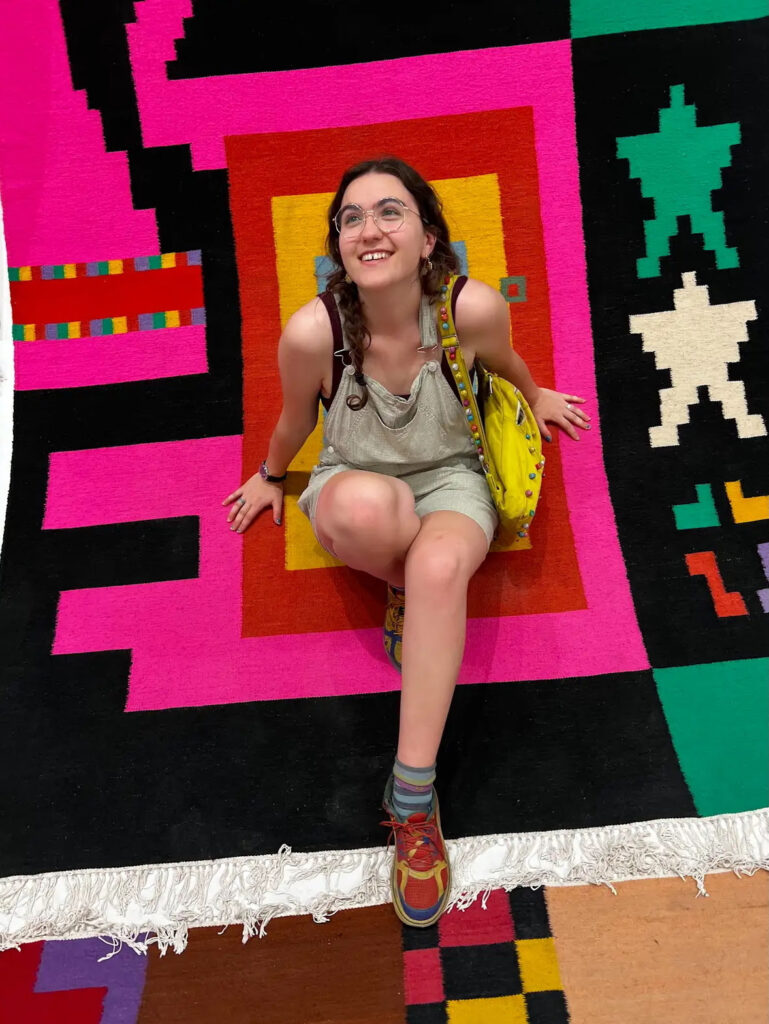
On February 27, 2026- Eliza Noxon released her debut album Good Monsters with Bad Habits that’s basically a storyline of the artist. The album expresses grief, understanding your own identity, and survival through different parts of life. The album gives such vivid imagery with each track that it will allow listeners to resonate to if they experienced the same things. Each track unfolds different memories and the instrumentation mixed with the soft vocals creates a gentle wave of emotions.
I’ve had a tradition since I turned seventeen. Every year on my birthday, I take a long walk somewhere and I write a new song. I haven’t been perfect about keeping it up but my upcoming album, Good Monsters with Bad Habits, is bookended by two birthday songs four years apart. The first one I wrote when I was seventeen and you’ll hear that one when the album comes out in a couple weeks (!). “One More Round,” I wrote on my 21st birthday. It was the first time I was going to be older than my older brother, who had died almost three years before. I was in a weird stage of my grief where I had some distance but it would still sneak up on me and wipe me out. I felt like there were two versions of me fighting to live my life – the one that was healing and the one still broken. This song is a kind of conversation between those two voices. The final lines, “I am but ash and dust, the world is for me,” are an interpretation of a talmudic teaching. The story goes that we are meant to carry two slips of paper in our pockets at all times – one that reads “the world was created for me,” and another that says, “I am but dust and ashes.” My older brother loved this teaching – he said if he ever got tattoos they would be one of the phrases on each arm. This song, to me, is about the tension between your best self and your worst and the struggle of finding balance somewhere in between.
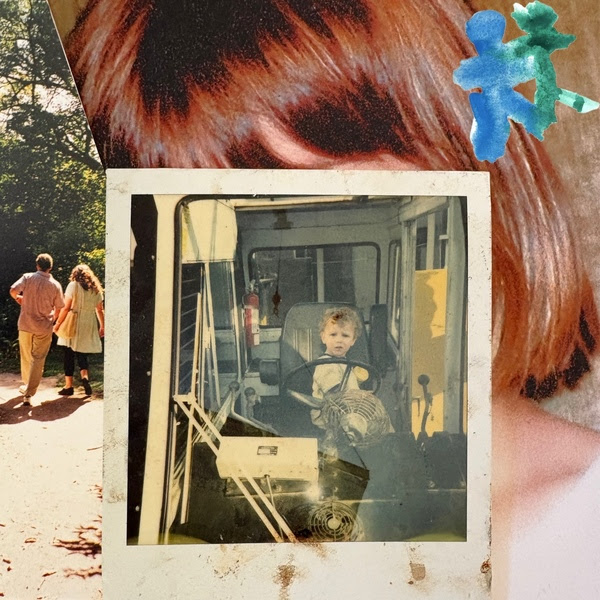
Good Monsters with Bad Habits Track List
1. Birthday Song
2. What Else
3. Drag You
4. You
5. Bye For Now
6. Day After Day
7. Raineth
8. Good Monsters with Bad Habits
9. More
10. What the Waiting was For
11. Last of Our Own Kind
12. The Last Song
13. One More Round
Interviewer: For new listeners; can you give us some insight about who you are as an artist? And what your musical style is?
Eliza Noxon: “Hello, new listeners — welcome! I write songs about love and loss and fear and all the messy things I’m still trying to untangle. If you like artists like Pinegrove, Big Thief, Feist, or boygenius, you’ll probably like my sound. I’m heavily inspired by folk music, but with an indie-rock groove. There are fun ones, angry ones, and a good number of sad ones — so if you like to cry to music, I think you’ll find something you enjoy.“
Interviewer: “One More Round” is such an emotional and reflective single; what made you create this song that explores a sensitive theme?
Eliza Noxon: “Thank you! This was the last song I wrote for the record, and I was feeling especially ambitious at the time. I had just joined a songwriting workshop at my college, and being surrounded by people making bold, exciting work pushed me to stretch myself.
I wrote it as part of a tradition I started when I was seventeen — writing a new song every year on my birthday. With this one, I wanted to capture the duality I felt trapped in: grief and healing, adulthood and childhood, healthy and unhealthy habits. The lyrics play with those warring voices, letting them exist side by side. It was an ambitious song to take on, but it’s one I’m really proud of.“
Interviewer: For “One More Round”; How did you shape the sonic landscape to mirror the emotional weight of the theme?
Eliza Noxon: “A lot of the song’s sound took shape in the studio with my producer, Pierre de Reeder (bassist of Rilo Kiley), and an incredible team of musicians, including Jake Reed on drums, Sean Hurley on bass, and Philip Krohnengold on keys, synths, and guitars. We tracked everything live, without a click, so the song could breathe and shift naturally. That looseness helped mirror the emotional tension in the lyrics. The band brought a depth and urgency to it that I couldn’t have created on my own.“
Interviewer: How do you navigate expectations around emotional openness as a female artist?
Eliza Noxon: “Oof — yeah, it’s a tough one. These songs are very personal, and they can be intense to fully embody. I have a habit of undercutting my sad songs with a joke when I play them live, but I’m learning to leave more space for them to land.
There can be pressure to perform sadness in a certain way, especially as a woman. But this project is so personal, and I’ve had so much creative control over it, that I feel grounded in my vulnerability. I believe in the songs enough to let them stand on their own.“
Interviewer: With this upcoming album release; What stories or experiences felt most urgent to capture on this album?
Eliza Noxon: “I wanted to capture something honest about grief — especially how isolating it can feel. Grief looks different for everyone, but in my darkest moments, I just wanted to know I wasn’t broken or overreacting — that I was allowed to miss him and still keep living.
If this record can make someone feel a little less alone in that space, even in a small way, then it’s done what I hoped it would do.“
Interviewer: Is there a track that feels especially representative of who you are right now?
Eliza Noxon: “That’s a good question. The one I’m gravitating toward most right now is “More.” It’s about feeling like I’m not living up to my potential or making the right choices. It was one of the first songs I wrote on guitar, and I still find myself coming back to it. It feels honest about where I am.“
Interviewer: Were there moments you felt you were reclaiming or redefining your voice?
Eliza Noxon: “Definitely. Moving from ukulele-driven folk into a fuller indie-rock sound felt like reclaiming space for myself — sonically and emotionally. For a long time, I felt boxed into a certain softness. This record let me take up more room, experiment with tension and volume, and trust my instincts. It felt like stepping more fully into my voice rather than shaping it to fit expectations.“
Interviewer: “Drag You” and “Last of Our Own Kind” are my favorite tracks off this album; can you tell me a little more about each song?
Eliza Noxon: “Thank you! “Drag You” was loosely inspired by Carly Simon’s “You’re So Vain.” I wanted to write a twisted love song — something sharp and slightly mean. It was also the first song I wrote in open D tuning, so I leaned into all the new textures and tricks I was discovering. That experimentation helped create some of its chaotic energy.
“The Last of Our Own Kind” was a graduation present for my little brother. We’d been through so much together, and he felt missing from the story of the record. In some ways, it’s an answer to a song I wrote when I graduated from the same high school four years earlier, called “Birthday Song.” It felt important to close that loop.”
Interviewer: “Bye For Now” gives me a sense of vulnerability and loss; what’s the meaning behind this single?
Eliza Noxon: “This is the most direct song on the record about losing my older brother. I wrote it a little over a year after he died, when I felt like I was just beginning to break the surface of my grief. I felt guilty for healing — for moving forward, growing up, getting older — and the song holds both that sharp, present pain and the reality that life keeps unfolding.
The last section is a voicemail message to him. It’s always hard to play live, but it means a lot to see how deeply it resonates with people.”
Interviewer: What do you hope listeners feel or take away after hearing the album?
Eliza Noxon: “I hope it feels like a journey — high highs and low lows, songs you want to play over and over and others you save for the right moment. I hope there are details that reveal themselves on the second or third listen.
If there’s one thing I’d want someone to take away, it’s that making art through pain can make the pain a little easier to carry.“