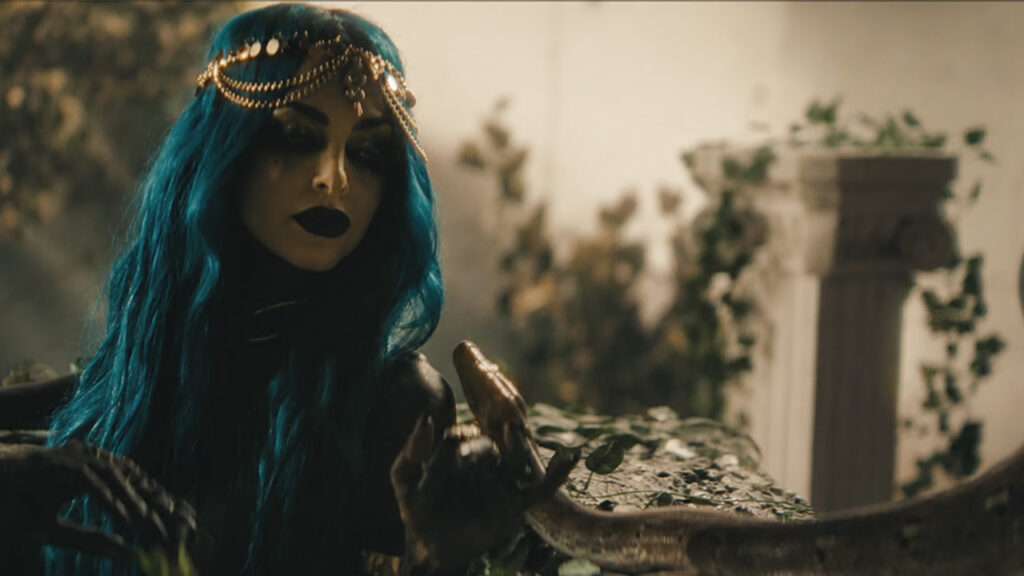
Rock band from Los Angeles, Stitched Up Heart released their brand new album “Medusa” that represents self-worth, empowerment, and turning rage into something more rewarding. “Medusa” was known as a monster, but this album is more like a reclamation for her meaning that when a woman has emotions it doesn’t mean that she’s a monster, but those in history wanted her to stay quiet and refused to listen. Stitched Up Heart pushes all emotional boundaries in this album which creates such a cathartic release after each track that will have the listener longing for more
Interviewer: The band’s new album “Medusa” was just released; What inspired the overall concept or theme of the record?
Mixi: “The album Medusa is really about shedding your old skin — the version of yourself that allowed betrayal, abuse, and bullshit to keep happening. It’s about looking at your shadow, getting angry, and choosing to become something more powerful instead of staying the victim. A lot of it came from personal experiences of toxic relationships and industry bullshit. We wanted to turn that pain into something heavy, fun, and unapologetic“
Interviewer: What does this album represent for the band at this point in your career?
Mixi: “This album feels like a rebirth. We wrote it with zero label pressure, just pure creative freedom in Nashville. It represents us stepping fully into our power — no more playing small, no more dimming our light to make other people comfortable. It’s us saying “we’re done being nice, we’re here to be dangerous.”“
Interviewer: Each track has other musicians being featured; what led the band to decide who to have on each track?
Mixi: “We wanted each feature to feel like it belonged there emotionally, not just for clout. We chose artists who brought a specific energy or story to that song. Some of them had gone through similar themes of betrayal or transformation, so it felt like a real collective voice instead of just one perspective.”
Interviewer: Did any songs undergo major changes from their original versions?
Mixi: “The features added so much more to the original versions energetically and the final mixes highlighted all the different layers in the music.”
Interviewer: What themes connect the album from beginning to end?
Mixi: “Transformation through pain. Betrayal. Rage. Reclaiming your power. Shedding who you used to be so you can become who you’re meant to be. It’s dark, but it’s also celebratory — like “fuck you, I’m free now.””
Interviewer: Was there a particular emotion you wanted listeners to experience?
Mixi: “We wanted them to feel empowered. Even if they’re crying or screaming along, we want them to leave the album feeling dangerous and alive — like they’re allowed to be the “monster” if that’s what it takes to protect themselves.”
Interviewer: The album is titled “Medusa”; is there a metaphorical meaning behind the album title?
Mixi: “Yes. Medusa wasn’t born a monster. She was turned into one after being punished for something that was done to her. The album is about that moment when you stop being the nice victim and become the thing people are afraid of. It’s about owning your power, even if it scares people.“
Interviewer: “MEET ME AFTER LIFE” caught my attention quickly; can you give some insight about the meaning behind the lyricism?
Mixi: ““Meet me after life” is the core. It’s saying even death won’t break this connection. I’ll wait for you in oblivion. It’s dark, obsessive, and romantic all at the same time. It’s that feeling of “If we’re going down, we’re going down together.“
Interviewer: “SICK SICK SICK” has a fearless and confrontational tone to it, what did the writing process look like for this single?
Mixi: “That one came out super raw and fast. We were just pissed off and leaning all the way into the chaos. It was one of those songs where we said “fuck it, let’s just be unhinged,” and it felt so good.”
Interviewer: If listeners could only hear one track first, which would you recommend?
Mixi: “I’d say start with the title track “Medusa”. It sets the tone for the whole album — the rage, the transformation, the “I’m not the victim anymore” energy.”
Interviewer: What conversation do you hope this album starts?
Mixi: “I hope it starts conversations about reclaiming your power after abuse, about the divine feminine getting to be dark and angry instead of just soft and nurturing, and about how sometimes becoming the “monster” is the most healing thing you can do.”